


The Hidden Risk of Asbestos in Fire
Building fires present numerous immediate dangers, but one of the most serious hazards isn't clearly visible: Asbestos.
While asbestos was historically used to provide fire resistance, extreme heat and structural compromise eventually cause these protective materials to fail. When they do, friable asbestos fibres are released into the atmosphere.
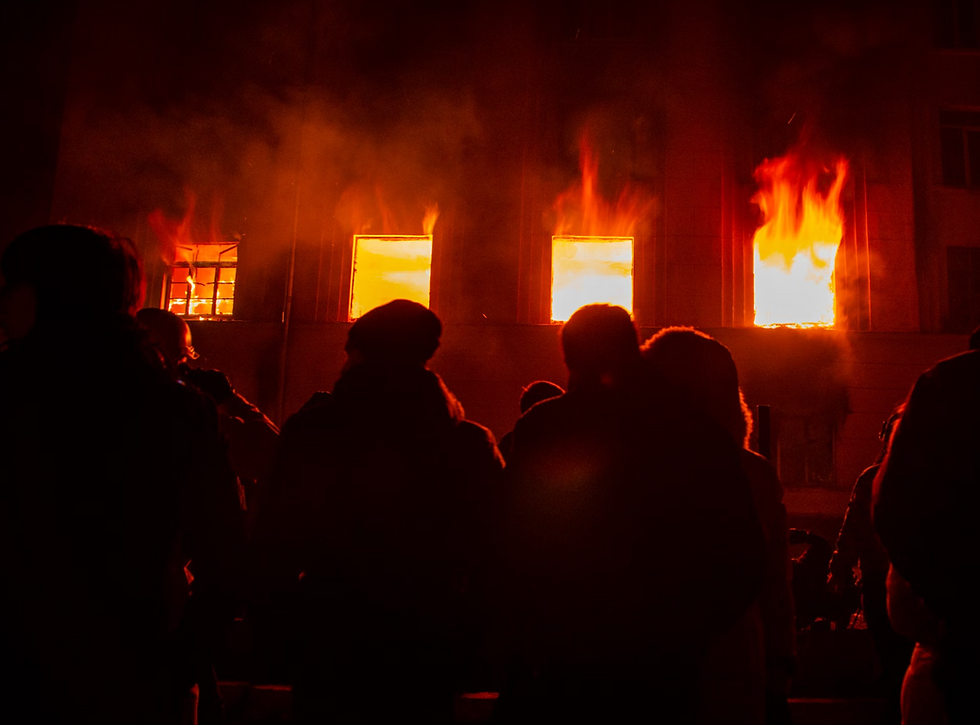
Thermal updrafts, broken windows, and high-pressure hose streams all contribute to the rapid spread of airborne asbestos contaminants. While the Fire and Rescue Service operates with full personal protective equipment (PPE) and respiratory protective equipment (RPE), other emergency services, bystanders, and members of the public filming nearby often lack any protection.
Ultimately, fire smoke carries far more than standard particulate matter—it can contain invisible, highly toxic fibres that pose long-term health risks well after the flames are extinguished.
Final Thought: Comprehensive risk assessments must extend beyond the immediate heat perimeter. Recognising airborne asbestos as an active contaminant during and after a blaze ensures that all emergency personnel, cleanup crews, and surrounding communities receive the protection and containment measures required to prevent long-term exposure.
Comments